Understanding AC Installation Requirements in Louisville, CO
When summer temperatures climb across the Front Range, having a properly installed air conditioning system becomes essential for maintaining comfort in your Louisville home. The installation process involves much more than simply placing a unit and connecting power. At Colorado’s Finest Heating and Air Conditioning, we approach each installation with meticulous attention to detail, ensuring your system operates at peak efficiency from day one. The unique climate conditions in Louisville, with its elevation of approximately 5,335 feet and temperature swings that can range from below freezing in winter to over 90 degrees in summer, demand careful consideration when selecting and installing cooling equipment.
The installation process begins with a comprehensive load calculation that factors in your home’s square footage, insulation quality, window placement, and orientation to the sun. These calculations determine the precise cooling capacity needed, measured in BTUs (British Thermal Units) or tons of cooling. An oversized system will cycle on and off too frequently, leading to poor humidity control and increased wear on components, while an undersized system will run continuously without adequately cooling your space. Our technicians use industry-standard Manual J calculations to ensure proper sizing, accounting for Louisville’s specific climate data and your home’s unique characteristics.
The Complete Installation Process
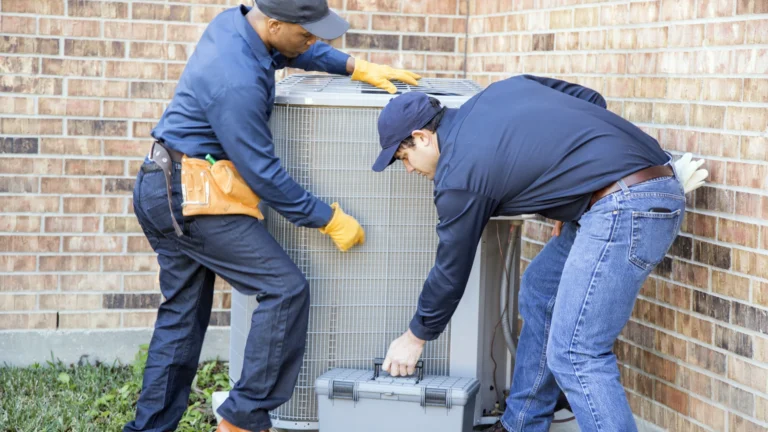
The actual installation of your new air conditioning system follows a systematic approach that we’ve refined over our years of operation since 2011. First, we prepare the installation area by protecting your flooring and belongings with drop cloths and plastic sheeting. The old system, if present, requires careful removal and proper refrigerant recovery according to EPA regulations. This refrigerant must be captured using certified recovery equipment and either recycled or disposed of at approved facilities. The removal process typically takes two to three hours, depending on the accessibility and condition of the existing equipment.
Next comes the placement of the new indoor and outdoor units. The outdoor condenser requires a level concrete pad or composite base that can support its weight and minimize vibration. We ensure proper clearances around the unit for adequate airflow and future service access, typically maintaining at least two feet of clearance on all sides and five feet above the unit. The indoor evaporator coil installation involves careful integration with your existing furnace or air handler, ensuring proper airflow direction and secure mounting. Our technicians meticulously seal all connections to prevent air leaks that could reduce system efficiency by up to 30 percent.
Technical Specifications and Equipment Selection
Modern air conditioning systems offer various efficiency ratings and features that impact both performance and operating costs. The SEER (Seasonal Energy Efficiency Ratio) rating indicates how efficiently a system operates over an entire cooling season. Current federal minimum standards require 14 SEER for northern states like Colorado, but we often recommend systems with 16 SEER or higher for optimal energy savings. A higher SEER rating can reduce cooling costs by 20 to 40 percent compared to older 10 SEER units commonly installed before 2006.
The refrigerant type also plays a crucial role in system selection. Most new systems use R-410A refrigerant, which operates at higher pressures than the older R-22 refrigerant phased out due to environmental concerns. This higher pressure requires specifically designed components and proper brazing techniques during installation. Our technicians receive continual education on the latest refrigerant handling procedures and equipment specifications, ensuring safe and effective installations that comply with all environmental regulations.
Ductwork Evaluation and Modifications
Existing ductwork often requires modifications to accommodate new air conditioning equipment and ensure optimal performance. Studies indicate that typical duct systems lose 20 to 30 percent of conditioned air through leaks, poor connections, and inadequate insulation. We perform thorough ductwork inspections using specialized equipment to identify problem areas. Common issues include undersized return air ducts, which restrict airflow and reduce system efficiency, and poorly sealed joints that allow conditioned air to escape into unconditioned spaces like attics or crawlspaces.
When modifications are necessary, we follow ACCA (Air Conditioning Contractors of America) Manual D guidelines for proper duct sizing and design. This might involve installing additional return air drops, increasing trunk line sizes, or adding turning vanes in sharp bends to reduce airflow resistance. All modifications use appropriate materials, including mastic sealant and metal-backed tape for connections, rather than standard duct tape which deteriorates over time. Proper insulation with R-6 or R-8 duct wrap prevents condensation and energy loss, particularly important in unconditioned spaces.
Electrical and Control System Integration
Air conditioning installations require proper electrical connections and control system integration for safe, reliable operation. Most residential systems require a dedicated 240-volt circuit with appropriate amperage based on the unit’s specifications. We install disconnect boxes near the outdoor unit for service safety and ensure all wiring meets National Electrical Code requirements. The installation includes properly sized circuit breakers, weather-resistant whip connections, and surge protection devices that safeguard your investment from power fluctuations common during Colorado’s summer thunderstorms.
Modern thermostats offer programmable and smart features that enhance comfort while reducing energy consumption. We configure these controls to optimize system performance, setting appropriate temperature differentials, cycle rates, and scheduling options. Smart thermostats can reduce cooling costs by 10 to 23 percent through intelligent scheduling and adaptive learning algorithms. Integration with existing home automation systems allows remote monitoring and control, providing convenience and energy management capabilities.
Quality Assurance and System Commissioning
After completing the physical installation, we perform comprehensive system commissioning to verify proper operation. This process includes:
- Refrigerant charge verification: Using digital gauges and temperature measurements to ensure optimal refrigerant levels
- Airflow testing: Measuring CFM (cubic feet per minute) across the evaporator coil to confirm adequate airflow
- Electrical testing: Checking amp draws, capacitor ratings, and control voltage
- Temperature differential measurements: Verifying proper temperature drops across the evaporator coil
- Condensate drainage testing: Ensuring proper drainage and overflow protection
As a full-service mechanical company that has built our reputation on repeat and referral business over the last 10 years, we understand that proper installation directly impacts long-term satisfaction. The Varrell family’s 20-plus years in trade services has taught us that keeping overhead expenses down while maintaining quality allows us to provide the best products at competitive prices. Our approach combines technical expertise with practical experience, ensuring your new AC system delivers reliable cooling for years to come. The investment in professional installation pays dividends through improved efficiency, reduced repair needs, and extended equipment life, making it a crucial consideration for Louisville homeowners seeking dependable climate control solutions. Contact us today.