Gas Lines Installation, Repair, and Maintenance
Gas lines are one of the most critical components of any residential or commercial property. They deliver natural gas to furnaces, water heaters, stoves, dryers, fireplaces, outdoor grills, and a growing number of home appliances. When gas lines are installed correctly and maintained properly, they provide a safe, efficient, and cost-effective energy source. When they are neglected or improperly handled, however, the consequences can range from minor inefficiencies to serious safety hazards. At Colorado’s Finest Heating and Air Conditioning, we bring the expertise and professionalism required to handle gas line work with the precision it demands. As a full-service mechanical company that also offers plumbing services, we are uniquely equipped to manage the full scope of gas line projects across Longmont, Boulder, Erie, Johnstown, Lafayette, Louisville, and the broader northeast Colorado region.
The Varrell family have been in business and trade services for over 20 years, and since founding Colorado’s Finest Heating and Air Conditioning in 2011, we have built our reputation on quality work at an affordable price. Our culture emphasizes continual education and hands-on knowledge, ensuring every technician who enters your home understands the complexities and safety protocols associated with gas line work. We take this responsibility seriously because the stakes are simply too high for anything less than total competence.
Understanding Gas Line Systems
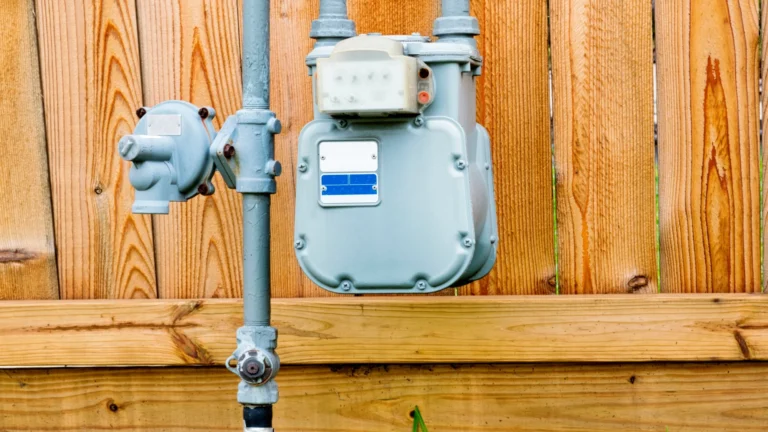
Natural gas enters your property through a main service line provided by your local utility company. From that point, interior gas piping distributes the fuel to individual appliances throughout the building. These interior lines are typically constructed from black steel pipe, corrugated stainless steel tubing (CSST), or in some cases copper or polyethylene for underground applications. Each material has specific code requirements, pressure ratings, and installation methods that must be followed precisely. Black steel pipe remains the most traditional choice for interior gas lines due to its durability and proven track record, while CSST has gained popularity for its flexibility, faster installation time, and ability to navigate through walls and tight spaces with fewer joints and connections.
The sizing of gas lines is another critical factor that many homeowners overlook. Each gas appliance in your home has a specific BTU demand, and the gas piping must be sized to deliver adequate volume at the correct pressure to every appliance simultaneously. Undersized gas lines can lead to poor appliance performance, incomplete combustion, yellow or flickering pilot lights, and even dangerous carbon monoxide production. When we design or evaluate a gas line system, we calculate the total BTU load of all connected appliances, measure the distance from the meter to each appliance, and reference code tables to determine the correct pipe diameter for every segment of the system.
Gas Line Installation for New Appliances and Construction
One of the most common reasons homeowners need gas line services is the addition of a new gas appliance. Whether you are converting from an electric range to a gas stove, adding an outdoor kitchen with a built-in grill, installing a gas fireplace insert, or connecting a new high-efficiency furnace or tankless water heater, each scenario requires a properly sized and routed gas line. In many cases, adding a new appliance means the existing gas line infrastructure needs to be evaluated to ensure it can handle the additional load without compromising performance to other appliances in the home.
New construction and major remodeling projects also require comprehensive gas line planning from the ground up. We work closely with homeowners and contractors during these projects to map out gas line routing that meets all local building codes and manufacturer specifications. Every installation we perform includes thorough pressure testing to verify system integrity before any appliance is connected. This pressure test typically involves pressurizing the entire gas line system with air or nitrogen and monitoring it for a specified period to confirm there are no leaks at any joint, valve, or connection point. Only after passing this test do we proceed with final connections and appliance startup.
Gas Line Repair and Leak Detection
Gas leaks represent one of the most urgent and dangerous situations a homeowner can face. Natural gas is odorless in its raw form, which is why utility companies add mercaptan, a chemical compound that produces the distinctive rotten egg smell most people associate with gas leaks. If you ever detect this odor in your home, the immediate priority is safety. You should evacuate the building, avoid operating any electrical switches or devices, and call your gas utility and a qualified professional immediately.
Beyond the obvious smell, there are subtler signs that may indicate a gas line issue. These include:
- Hissing or whistling sounds near gas lines, connections, or appliances that could indicate pressurized gas escaping through a small opening
- Dead or dying vegetation in a localized area of your yard, which may indicate an underground gas line leak releasing gas into the soil
- Higher than normal gas bills without a corresponding increase in usage, suggesting gas is escaping the system before reaching your appliances
- Physical symptoms such as headaches, dizziness, or nausea among household members, which can result from prolonged low-level gas exposure
Our technicians use professional-grade electronic gas leak detectors along with traditional methods such as soap bubble testing to pinpoint the exact location of leaks. Once identified, we repair or replace the affected section of piping, retest the entire system, and verify safe operation of all connected appliances before considering the job complete. According to the National Fire Protection Association, gas leaks and related incidents account for an average of 4,200 home structure fires per year in the United States, underscoring the critical importance of prompt professional repair.
Gas Line Maintenance and Safety Inspections
Proactive maintenance is the most effective way to prevent gas line emergencies. Over time, gas line connections can loosen due to thermal expansion and contraction, vibration from nearby equipment, or simple settling of the building structure. Corrosion can also affect exposed steel piping, particularly in damp basements or crawl spaces. Regular inspections allow us to identify and address these developing issues before they become hazardous. During a gas line inspection, our technicians examine all visible piping, test connections and shut-off valves, check appliance connectors for wear or damage, verify proper ventilation for all gas-burning equipment, and perform a system pressure test.
We recommend that homeowners schedule a gas line inspection at least once per year, ideally in conjunction with their annual heating service or AC service appointment. This integrated approach ensures your entire mechanical system is evaluated holistically rather than piecemeal. Our satisfied customers have allowed us to rely on repeat and referral business over the last 10 years, and a significant reason for that loyalty is our commitment to thorough, honest assessments during every visit.
Why Professional Gas Line Work Matters
Gas line work is not a do-it-yourself project under any circumstances. Colorado building codes require that gas line installation and repair be performed by licensed professionals and inspected by local authorities. Improper gas line work can result in leaks, explosions, carbon monoxide poisoning, voided homeowner insurance policies, and significant legal liability. Beyond the regulatory requirements, the technical knowledge required to properly size, route, support, and connect gas piping is substantial and comes only through professional training and real-world experience.
As a local family-owned business, we believe in keeping overhead expenses down to provide the best products at the best prices for our consumers while ensuring excellent service. We make sure our technicians are knowledgeable in all aspects of our trade and provide them with continual education to ensure outstanding service and proper installation procedures. Our enthusiastic technicians are eager to provide outstanding customer service and are happy to answer your questions about gas line safety, appliance connections, system upgrades, or any other concern you may have. We appreciate your interest and look forward to working with you on your next gas line project anywhere in northeast Colorado. Contact us today.